Society & decisions
Plan for the unexpected
The river is rising. Reports are incomplete. Build a planning tool that helps a municipality explore its options before time runs out.
ProgrammingRead brief
Build something that matters. Explore thesis ideas at the intersection of people, technology and the way we work.

Information that helps people care for people.
Better decisions for the places we share.
Software people can understand, verify and maintain.
Start with a topic that sparks your curiosity.
Shape the final question together with your supervisor.
22 proposals to explore
The river is rising. Reports are incomplete. Build a planning tool that helps a municipality explore its options before time runs out.
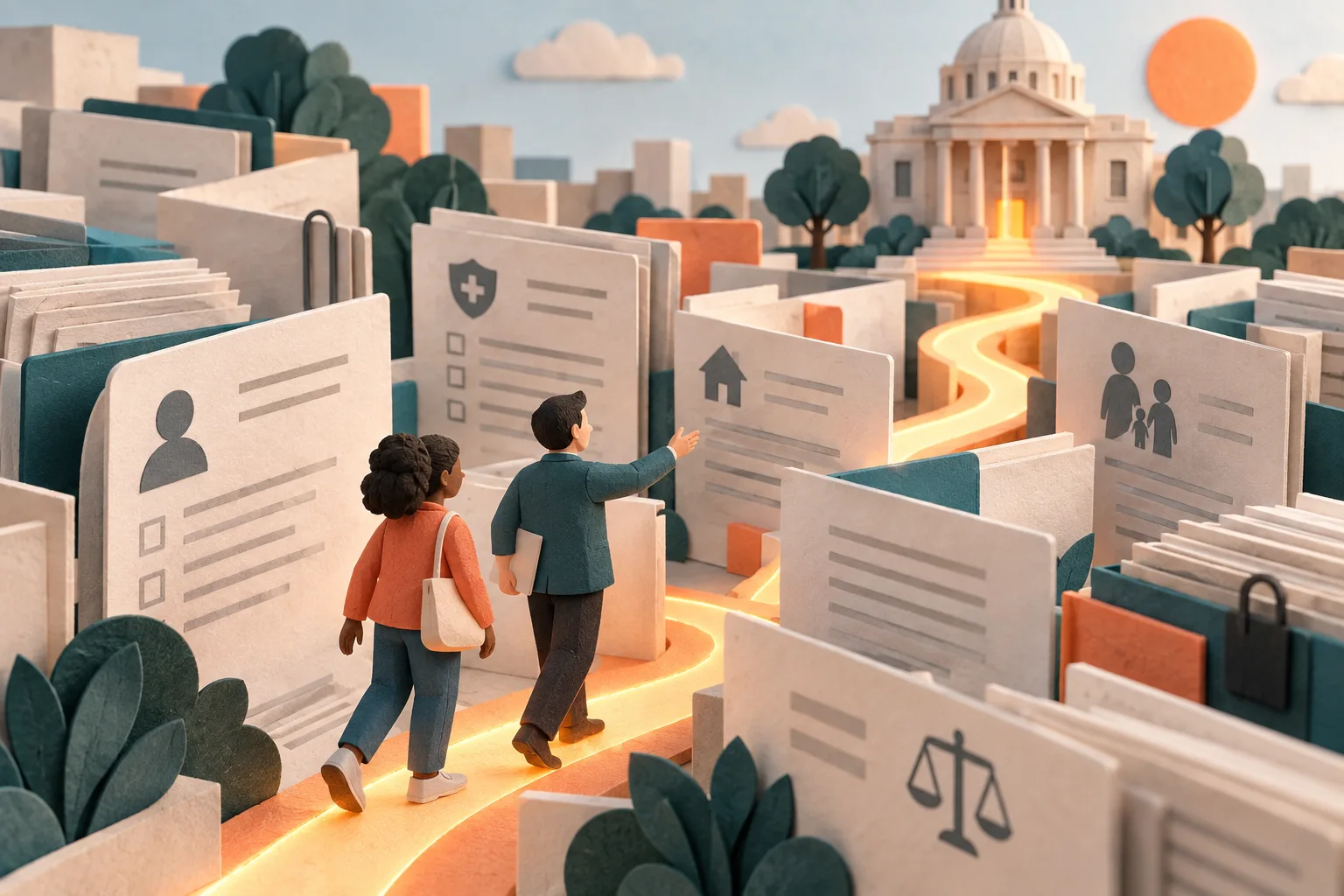
Public guidance should help people take the next step. Build an assistant that shows its sources, asks useful questions and knows when to refer to a person.
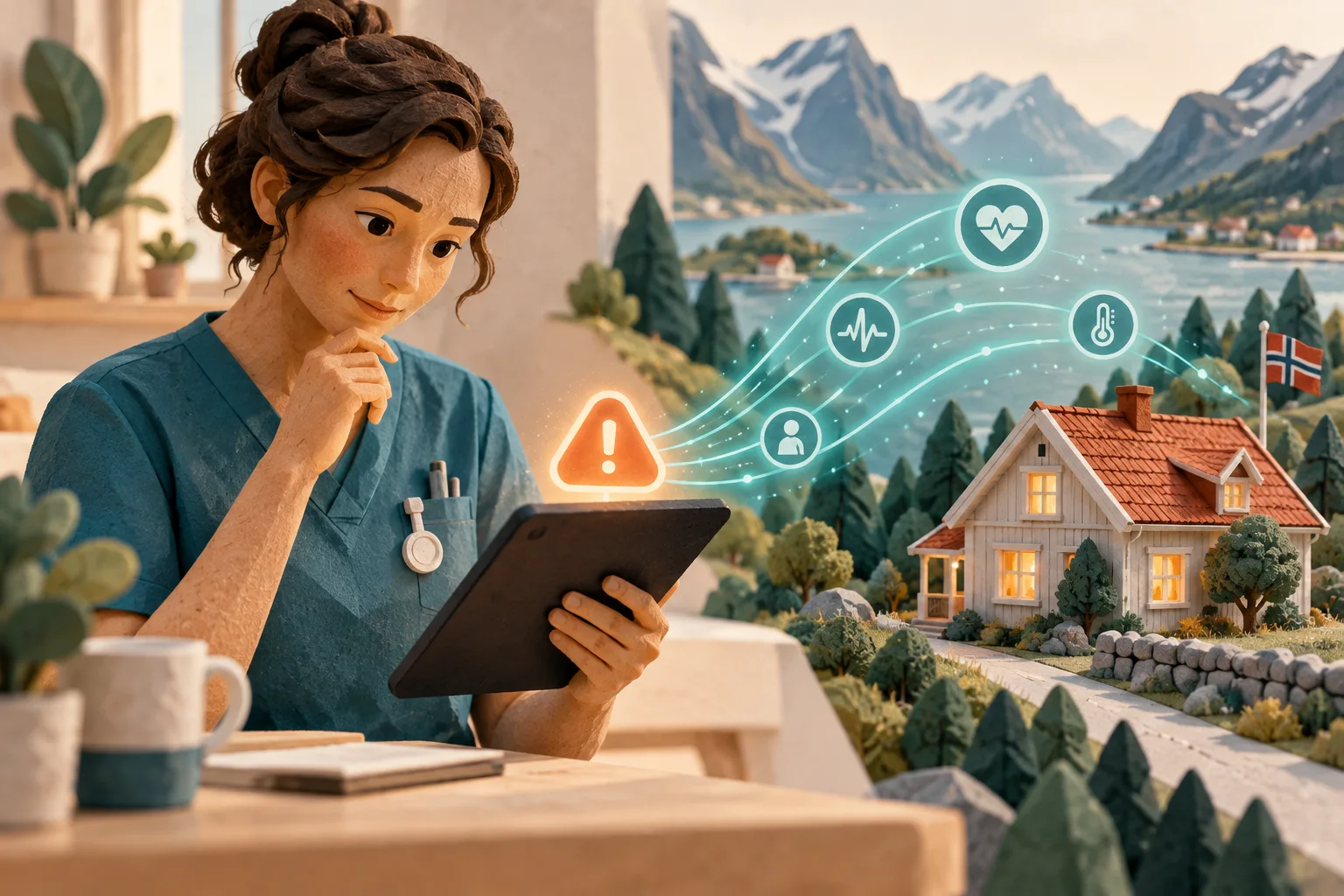
Help home-care teams spot the signal in the noise. Turn a stream of observations into follow-up decisions people can understand.
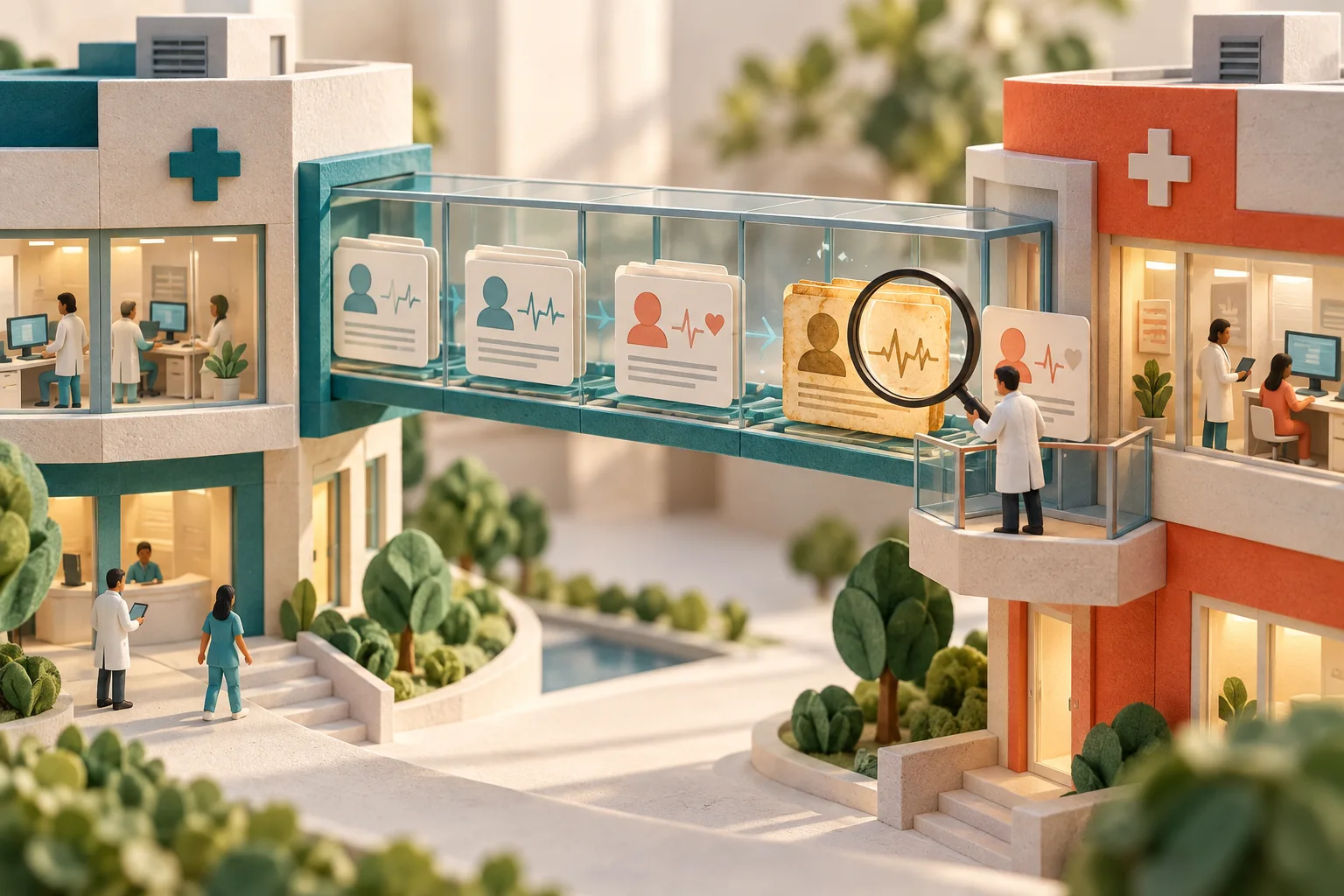
Two systems. Two different answers. Help healthcare staff see where information comes from—and when it is too old or incomplete to use.
A tick bite can leave people with more questions than answers. Build a clear, source-linked guide that helps them understand the next step and when to contact healthcare personnel.
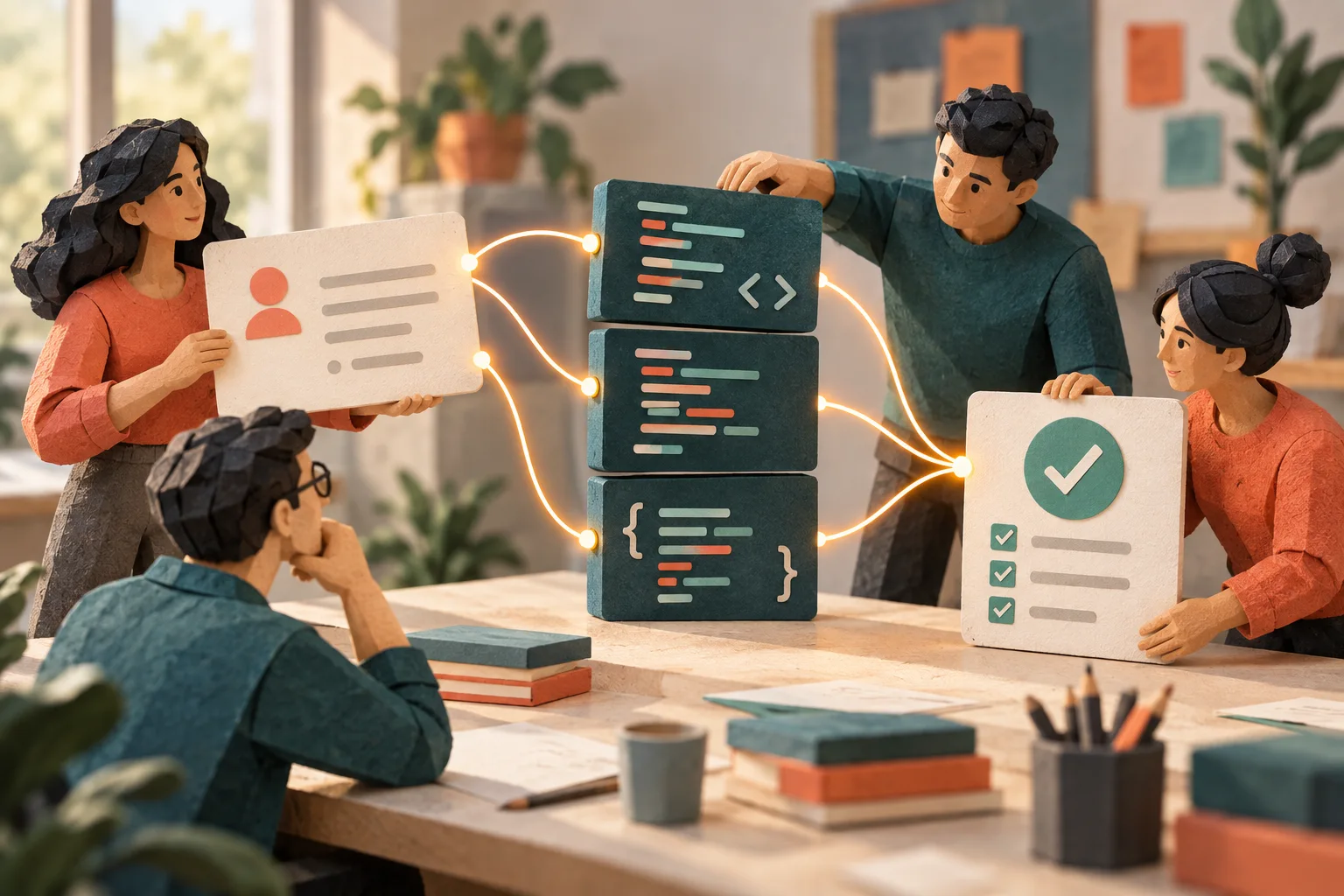
The code runs. But does it do what the organisation asked for? Connect requirements to changes and tests so teams can check the answer.
You inherit a codebase nobody fully remembers. Build a map that connects the software to the business processes it keeps running.
Can a public building use less energy without making its occupants miserable? Put the facility manager in control of the trade-offs.
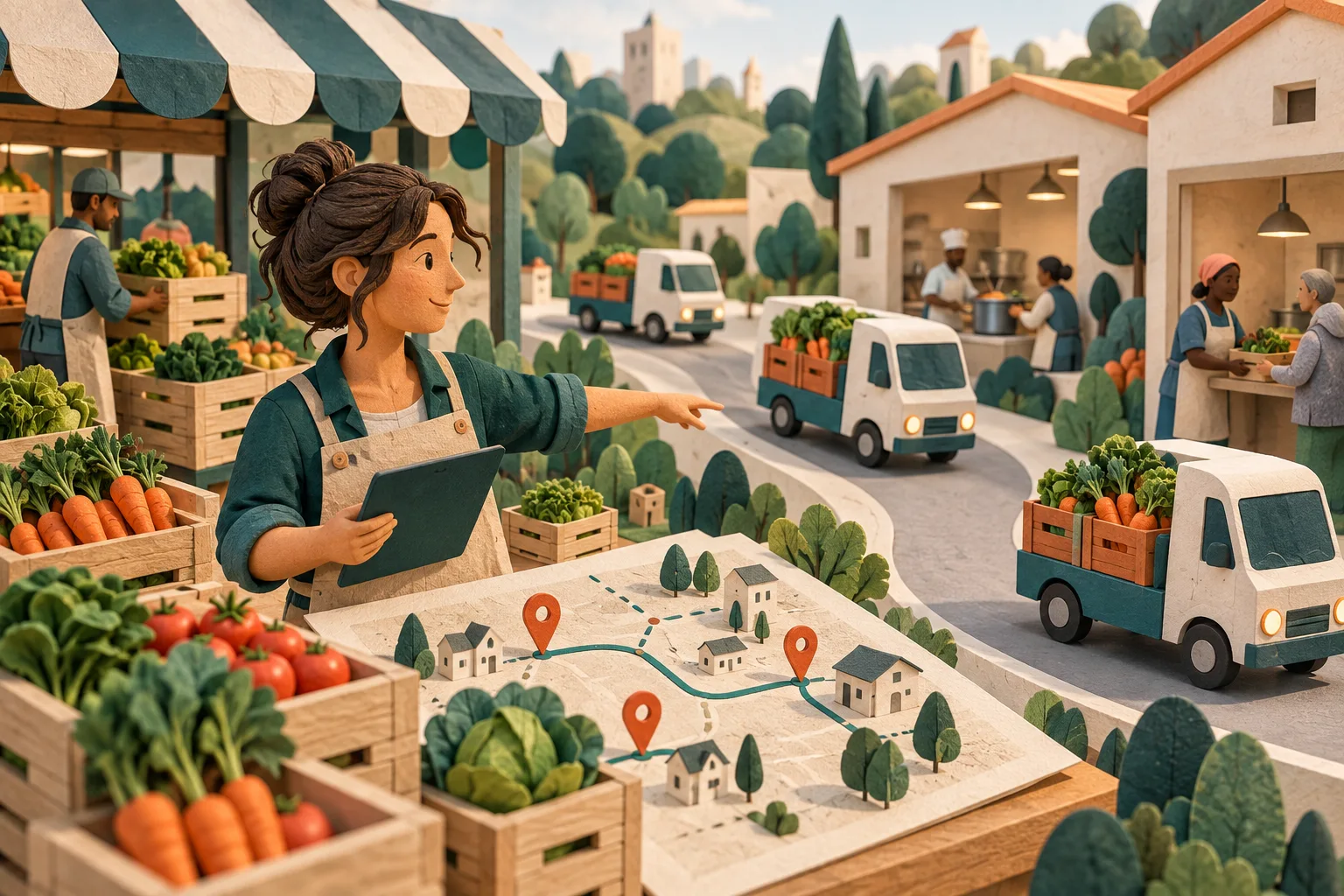
Fresh food is waiting at one end of town. A community kitchen needs it at the other. Help coordinators make the connection before it goes to waste.
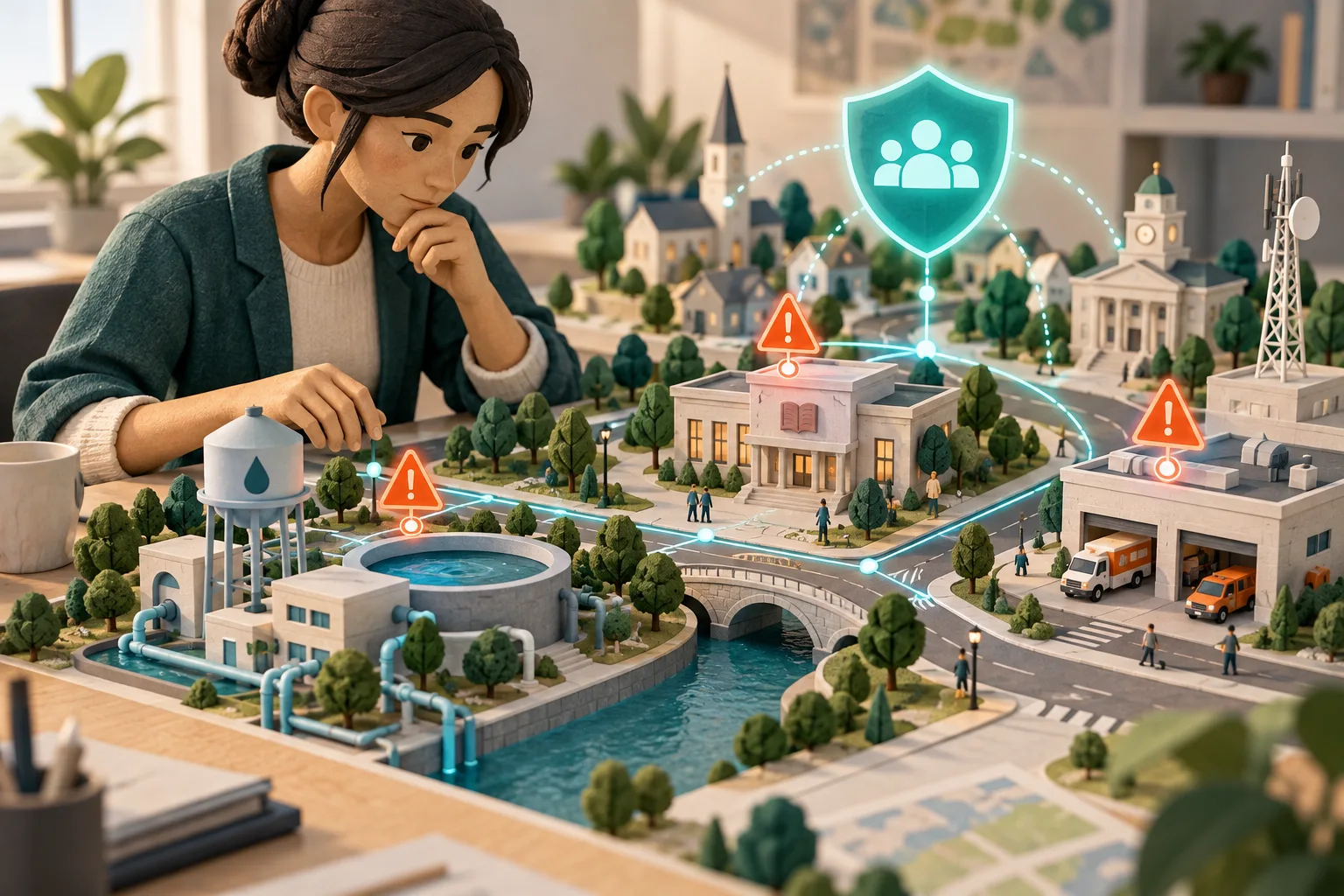
An IT incident can affect a library, a care service or the water supply. Help teams see the service consequences behind a technical score.
Where do people get stuck in a digital service? Turn scattered feedback into problems a service team can actually act on.
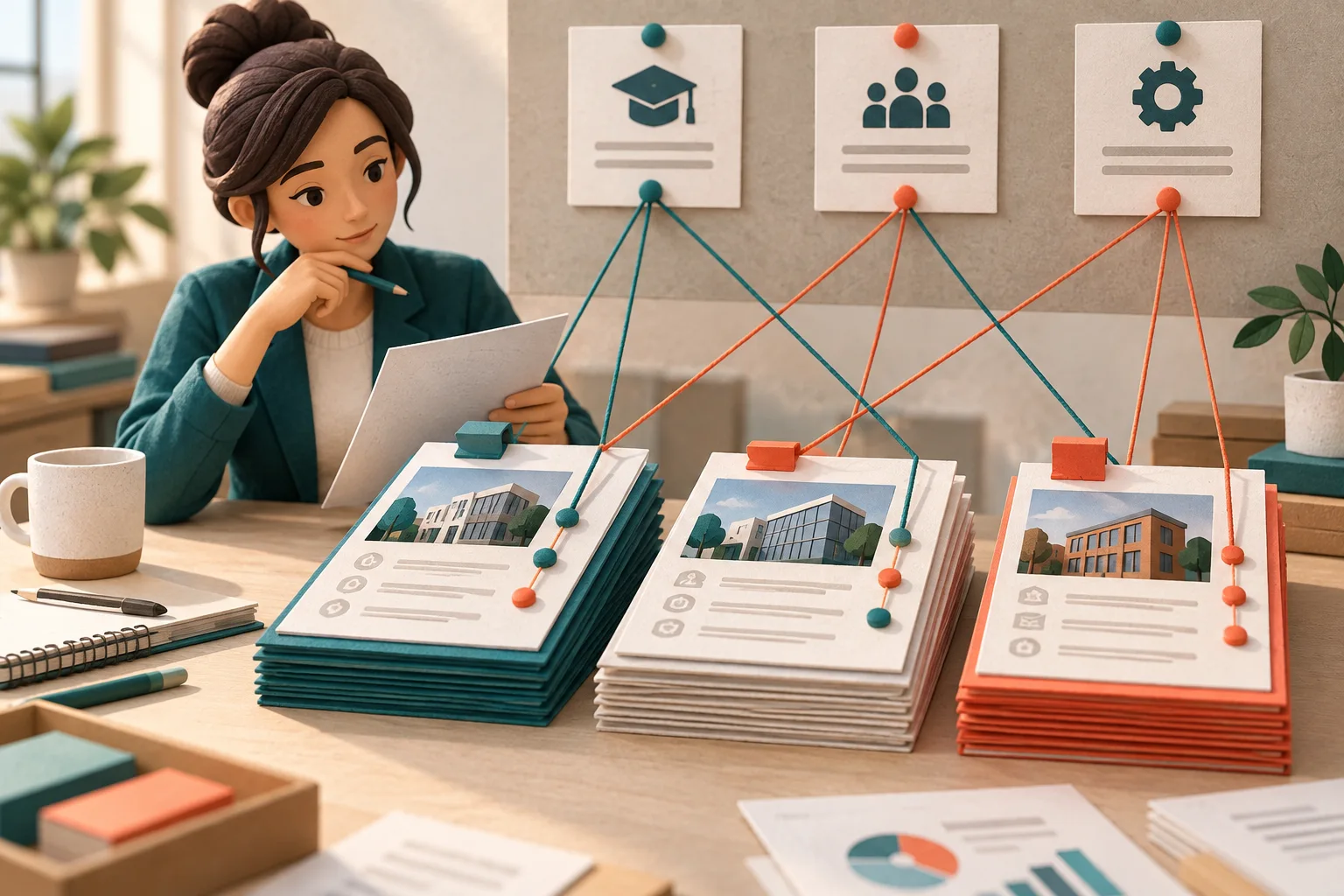
Three proposals promise the same thing. Build a comparison that lets reviewers inspect the evidence behind each claim.
An AI-written note is only useful if someone can trust what it says. Make every important statement easy to check.
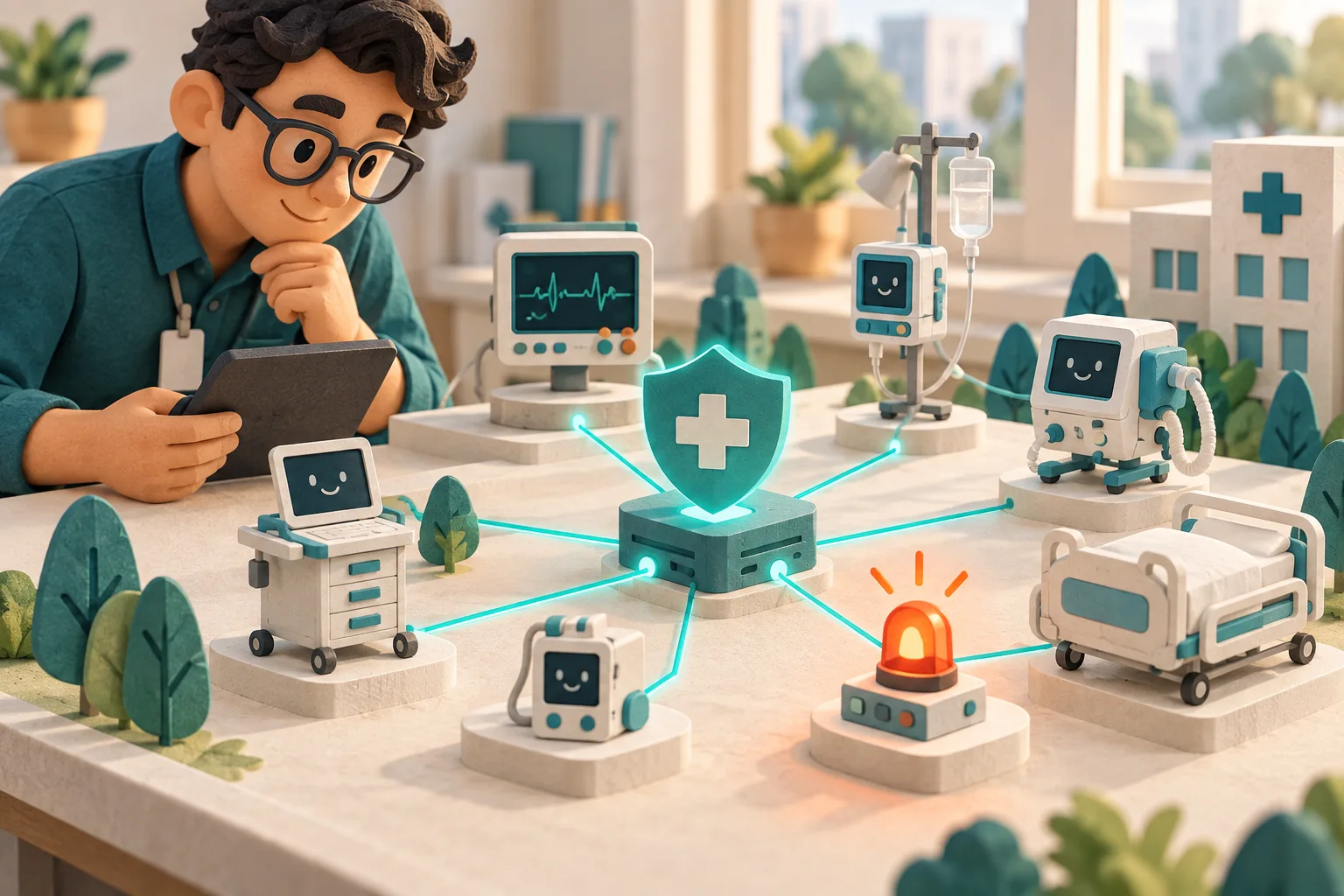
A suspicious device is more than a red dot. Help healthcare IT teams understand what is affected and what to investigate first.
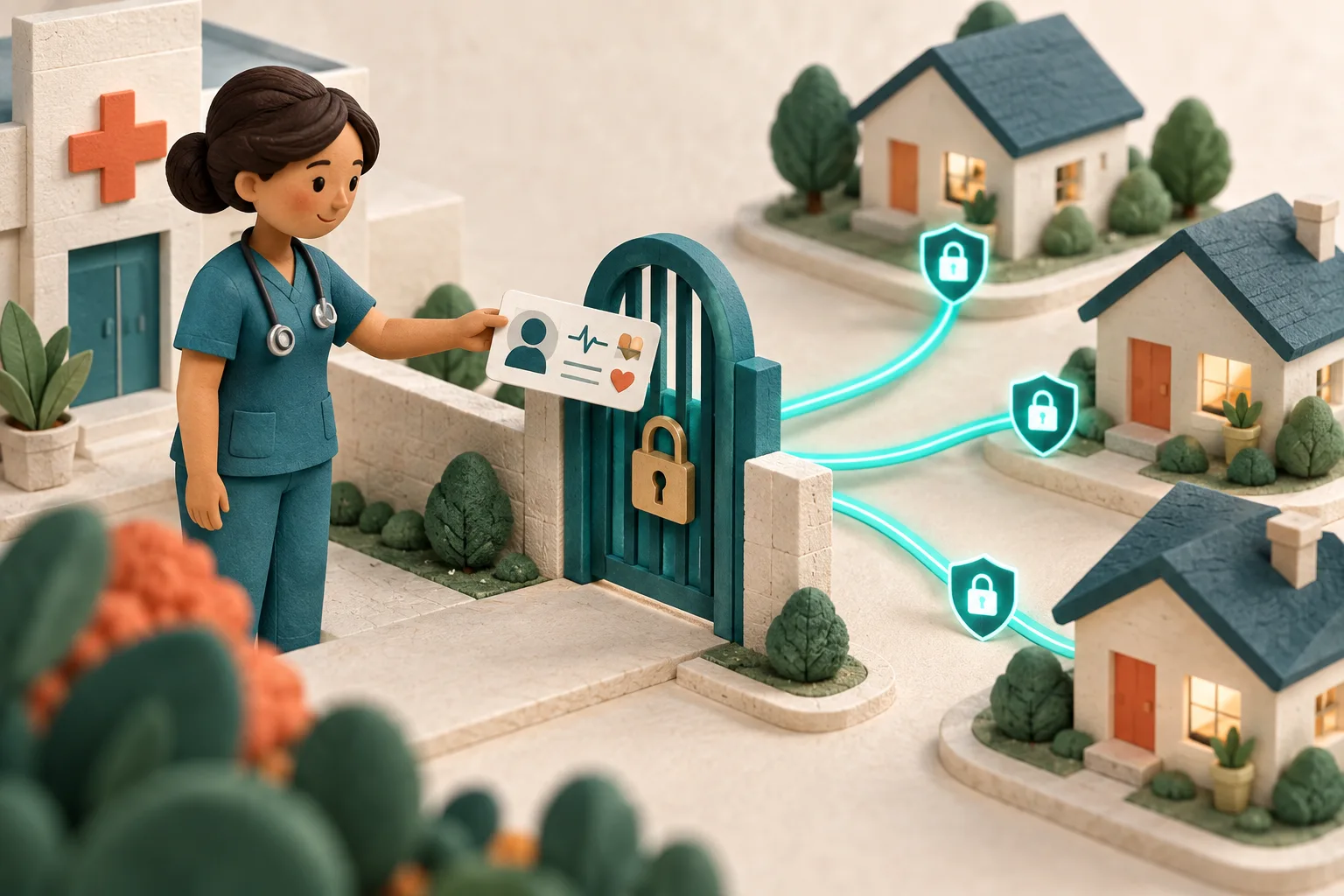
Care works across roles and homes. Explore how a system can share enough to coordinate the work without sharing everything.
The shortest route is not always the best care plan. Help coordinators balance travel, capacity and familiar carers.
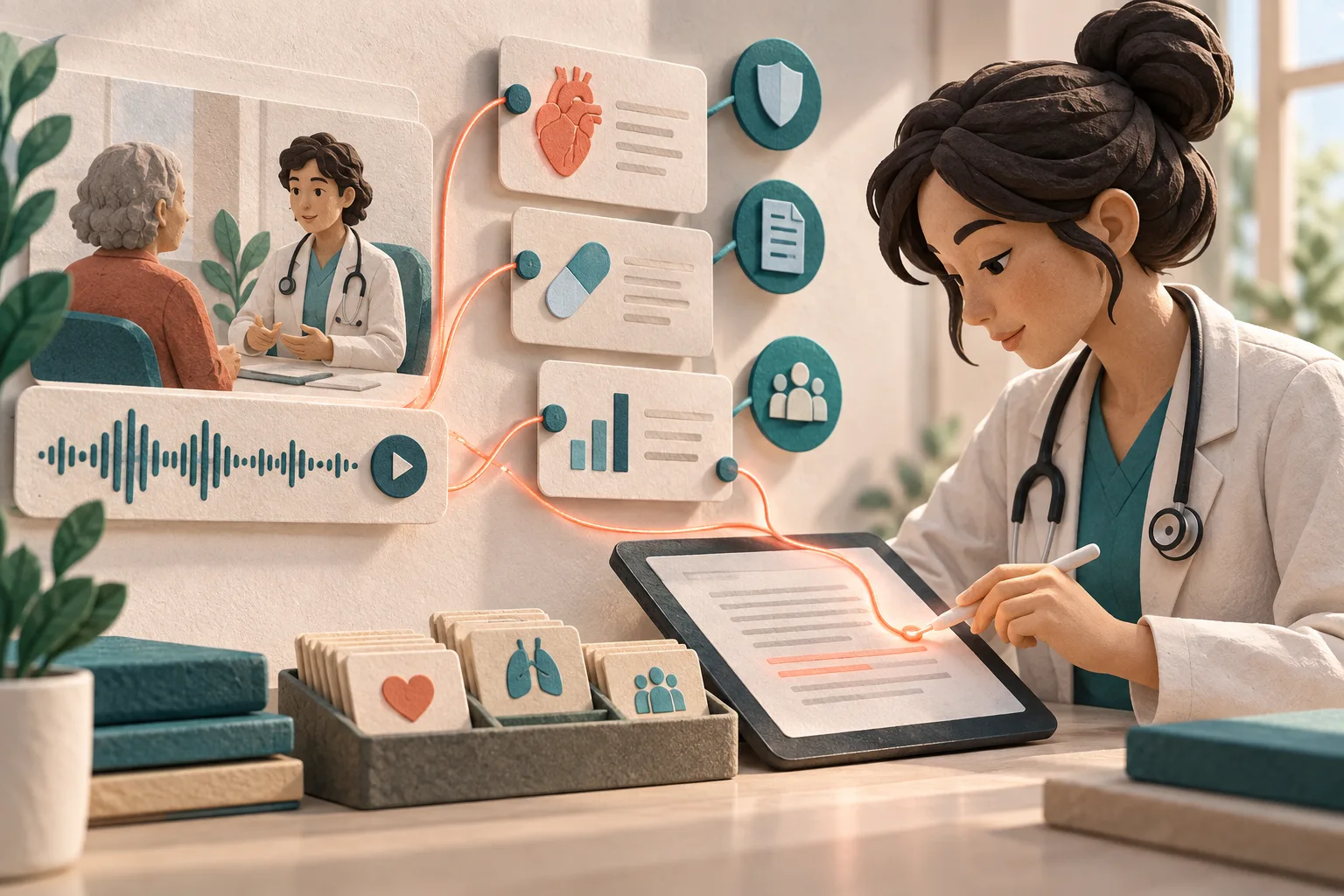
A consultation ends. The next action should not disappear with the call. Make responsibilities and follow-up visible.
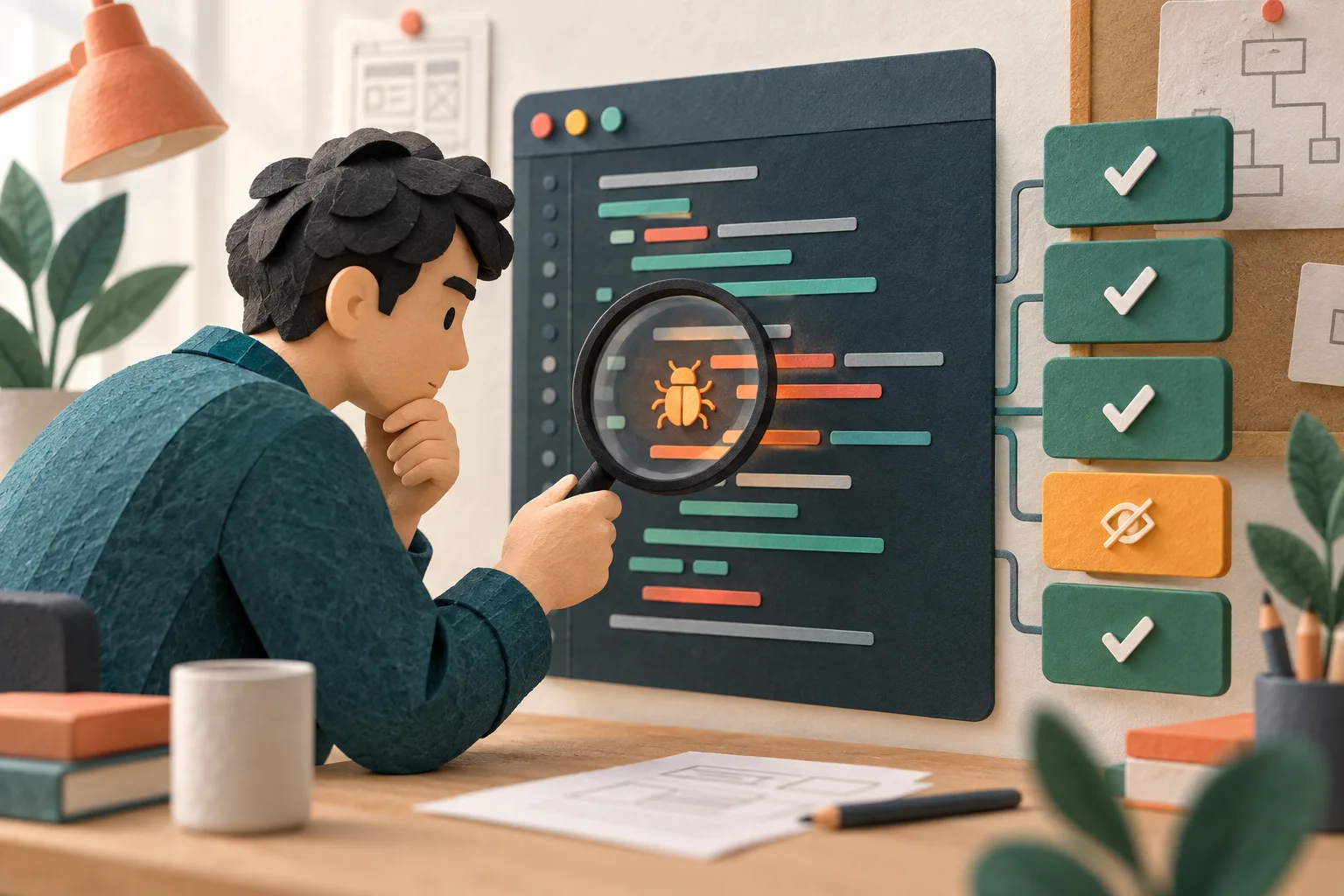
“All checks passed” is the start of a review. Build a tool that helps developers see what the checks actually cover—and what they missed.
Let a colleague turn an idea into a useful little app—with rules they can understand and a handover another developer can maintain.
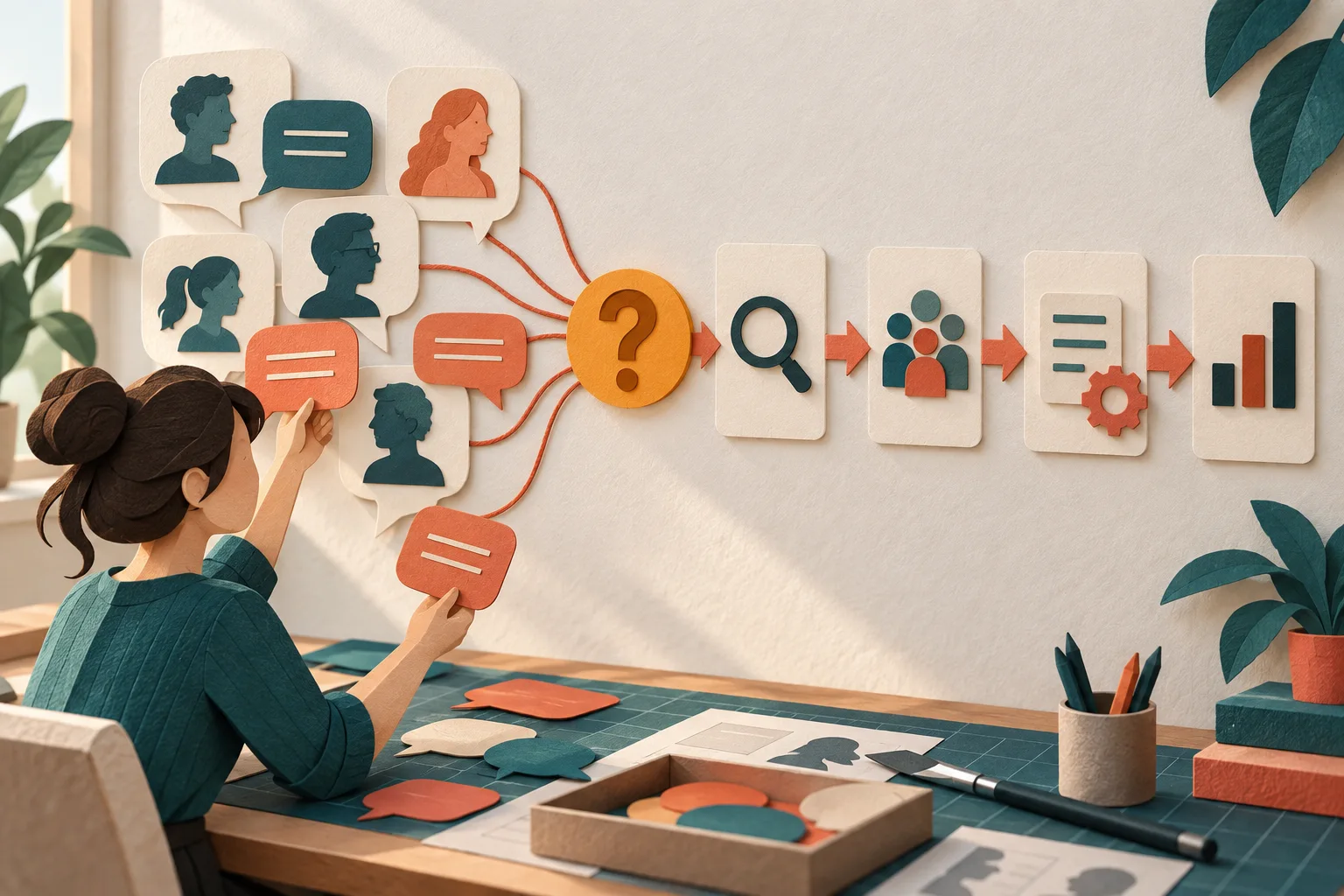
People describe the same workflow differently. Turn interviews into process models that keep the evidence—and the disagreements—visible.
Your build has hundreds of tests and only minutes to give feedback. Help developers decide what should run first—and understand why.
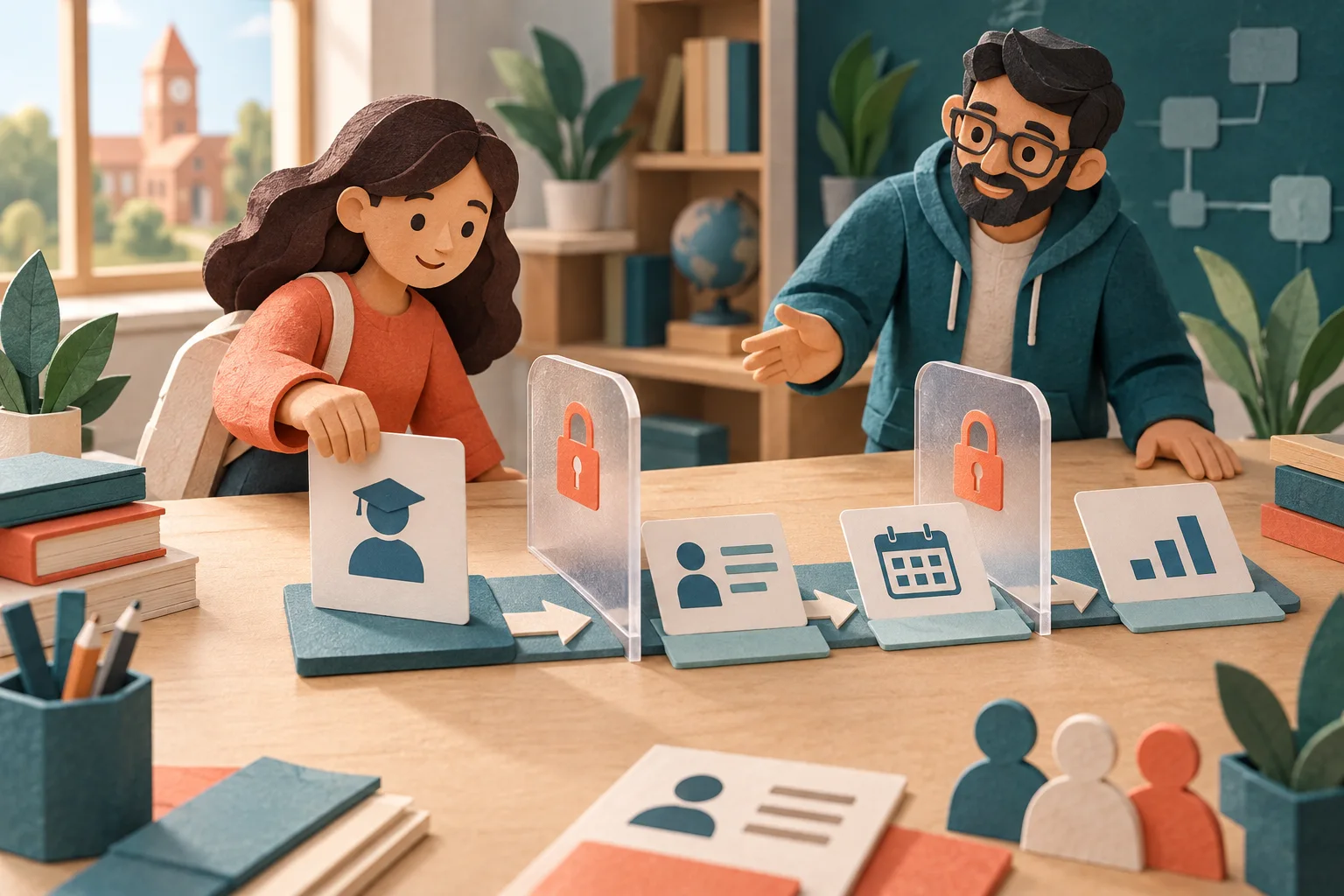
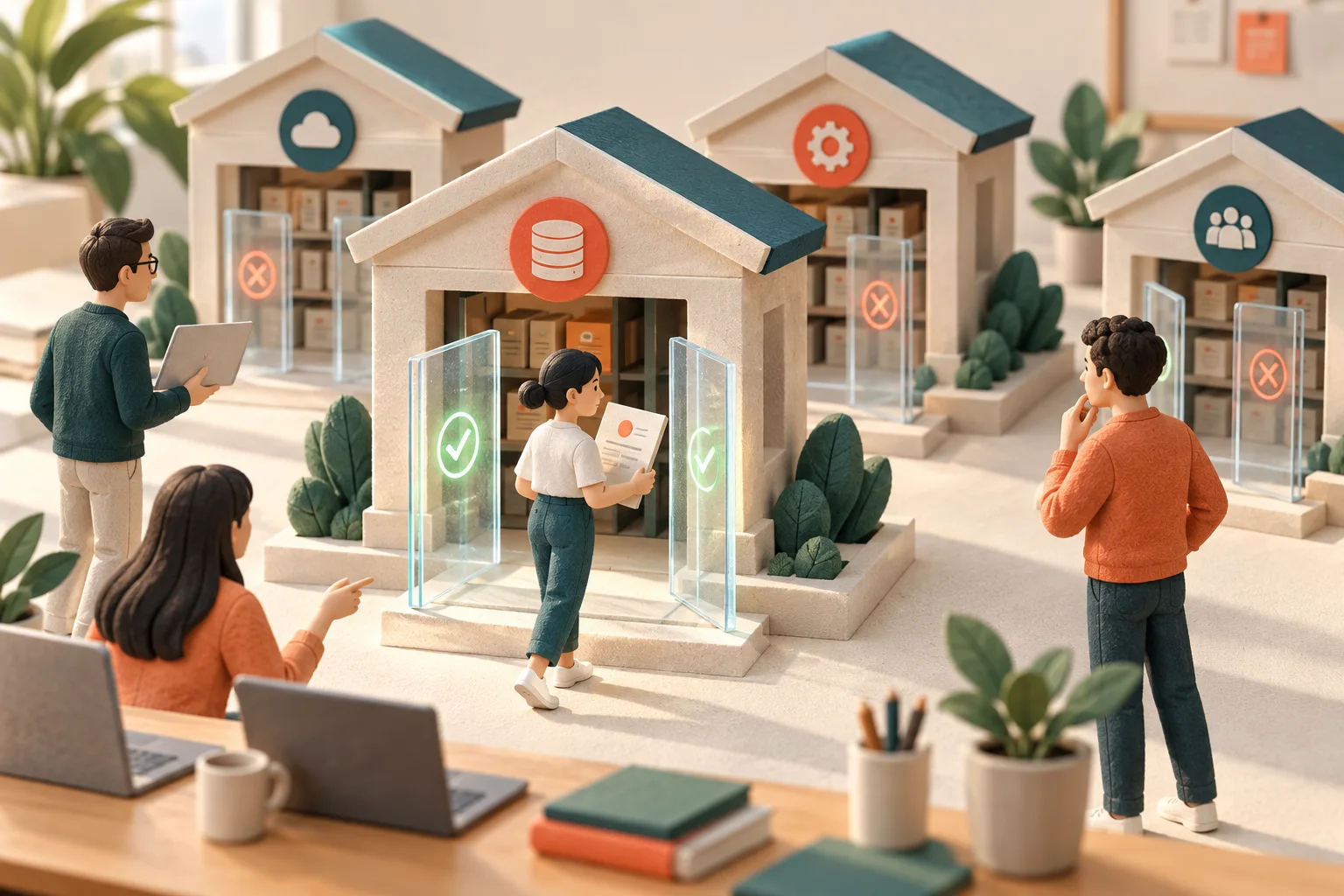
A useful assistant needs context. A responsible one also needs boundaries. Build retrieval that respects who can see which project.
Try another topic or a broader search. Save a proposal with the heart button to build your shortlist.
Master’s proposals target Spring 2027. Bachelor tracks are suggested adaptations; final scope, availability and programme approval are agreed with the supervisor.
These are Information Systems theses with technical substance. You’ll build a focused solution, test it against an alternative, and investigate what changes for the people using it.
Review the literature and understand a real work practice.
Identify a specific gap and formulate a research question and requirements.
Design and implement a focused technical artifact.
Compare with a credible alternative and study how people use it.
Analyse the results, limitations and transferable design lessons.
You don’t need to arrive with all the answers. Pick a few ideas, think about what you enjoy building, and start a conversation.