Develop a solution
Review research, identify a problem, build a prototype and test it.
Browse technical tasks ↓Browse 22 Information Systems proposals. Each includes a technical track and a track without software development.

Home care, health records and patient information.
Public services, emergency planning, energy and food.
Code review, testing, access control and AI tools.
Review research, identify a problem, build a prototype and test it.
Browse technical tasks ↓Use interviews, observations, documents or user tasks to answer a research question. No software development required.
Browse non-technical tasks ↓Choose one track. The task lists are suggestions, not a requirement to do everything.
Pick a topic and read the suggested tasks.
Agree the final scope with your supervisor.
Filters and shortlisted proposals are remembered in this browser.
22 proposals to explore
Build a tool for allocating emergency resources, or study how municipal staff plan with incomplete information.
Build a source-linked assistant, or study how citizens and caseworkers interpret existing guidance.
Build an alert dashboard, or study how home-care staff decide which alerts need follow-up.
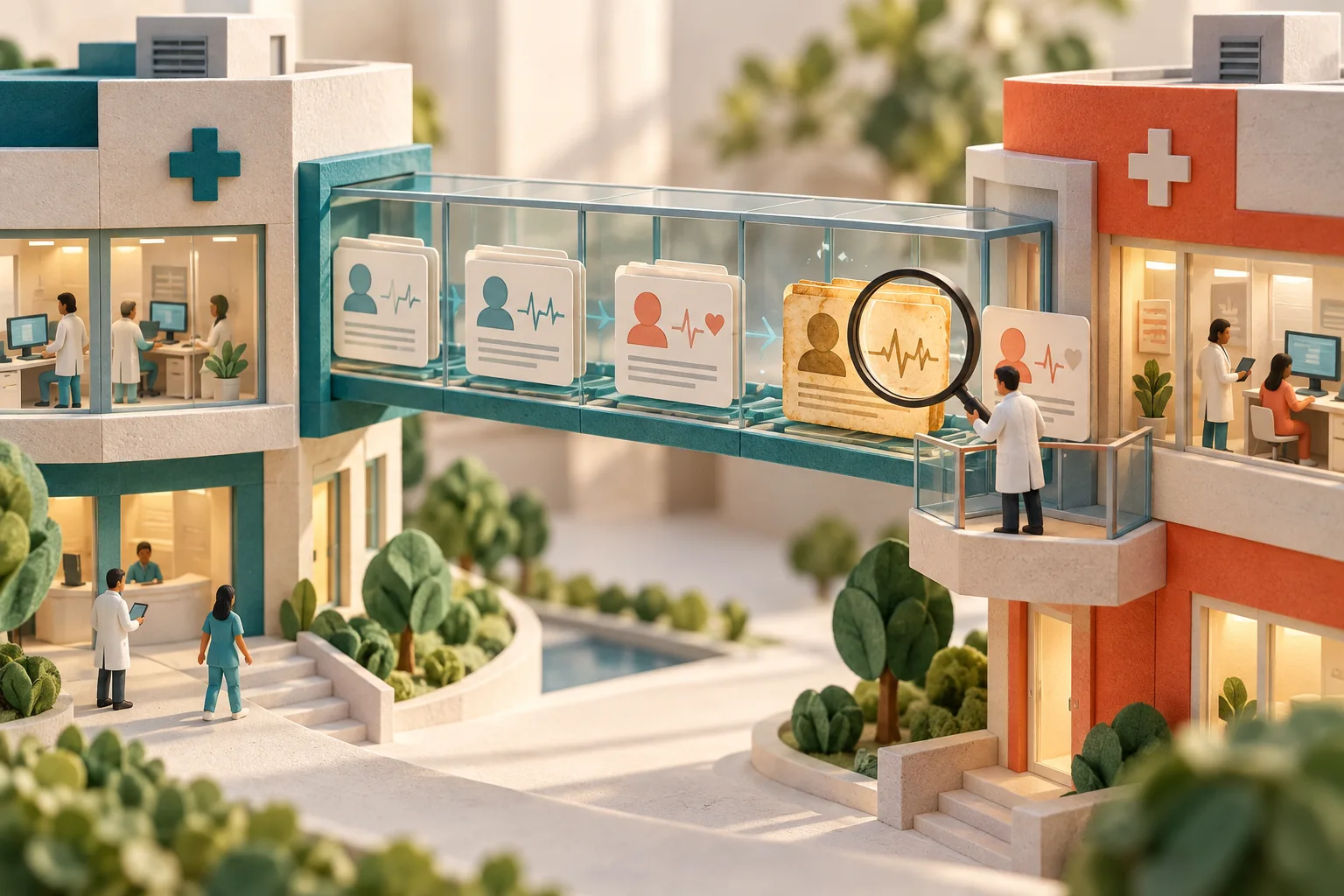
Build a view that flags incomplete or conflicting records, or study how staff handle these problems today.
Build a source-linked tick-bite guide, or study how people understand existing guidance and decide when to seek help.
Build links between requirements, code and tests, or study how teams check that software meets business needs.
Build a code-and-documentation map, or study how developers learn enough about an old system to change it.
Build an energy-planning tool, or study what facility managers need before accepting its recommendations.
Build a food-allocation tool, or study how donors and receiving organisations coordinate deliveries.
Build a tool that connects IT incidents to affected services, or study how different roles prioritise risks.
Build a feedback-analysis tool, or study how service owners identify and act on users’ problems.
Build a tool that links supplier claims to evidence, or study how reviewers compare proposals.
Build a tool that links a draft note to its sources, or study how healthcare staff check AI-written notes.
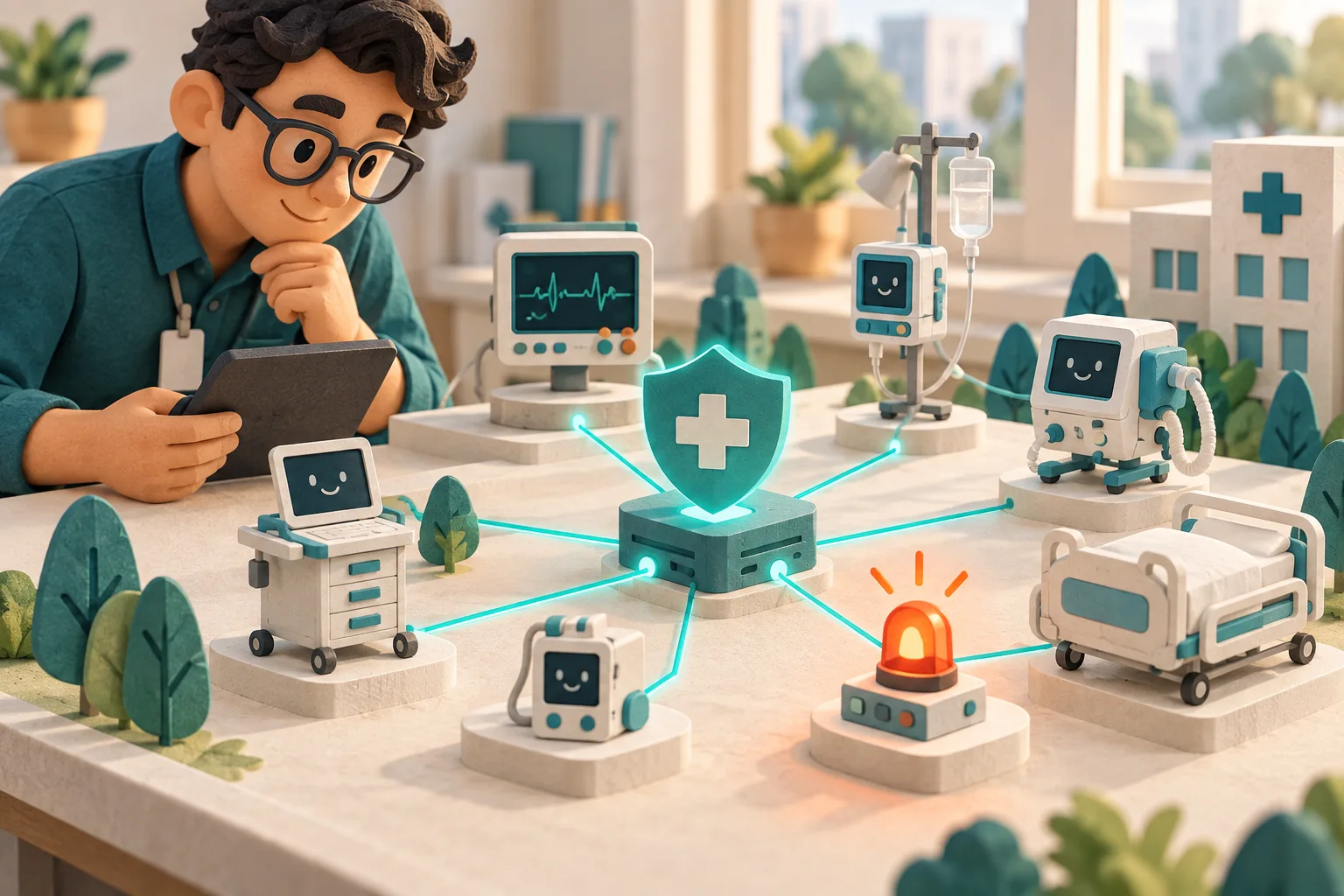
Build a tool for reviewing device alerts, or study how healthcare IT staff prioritise incidents.
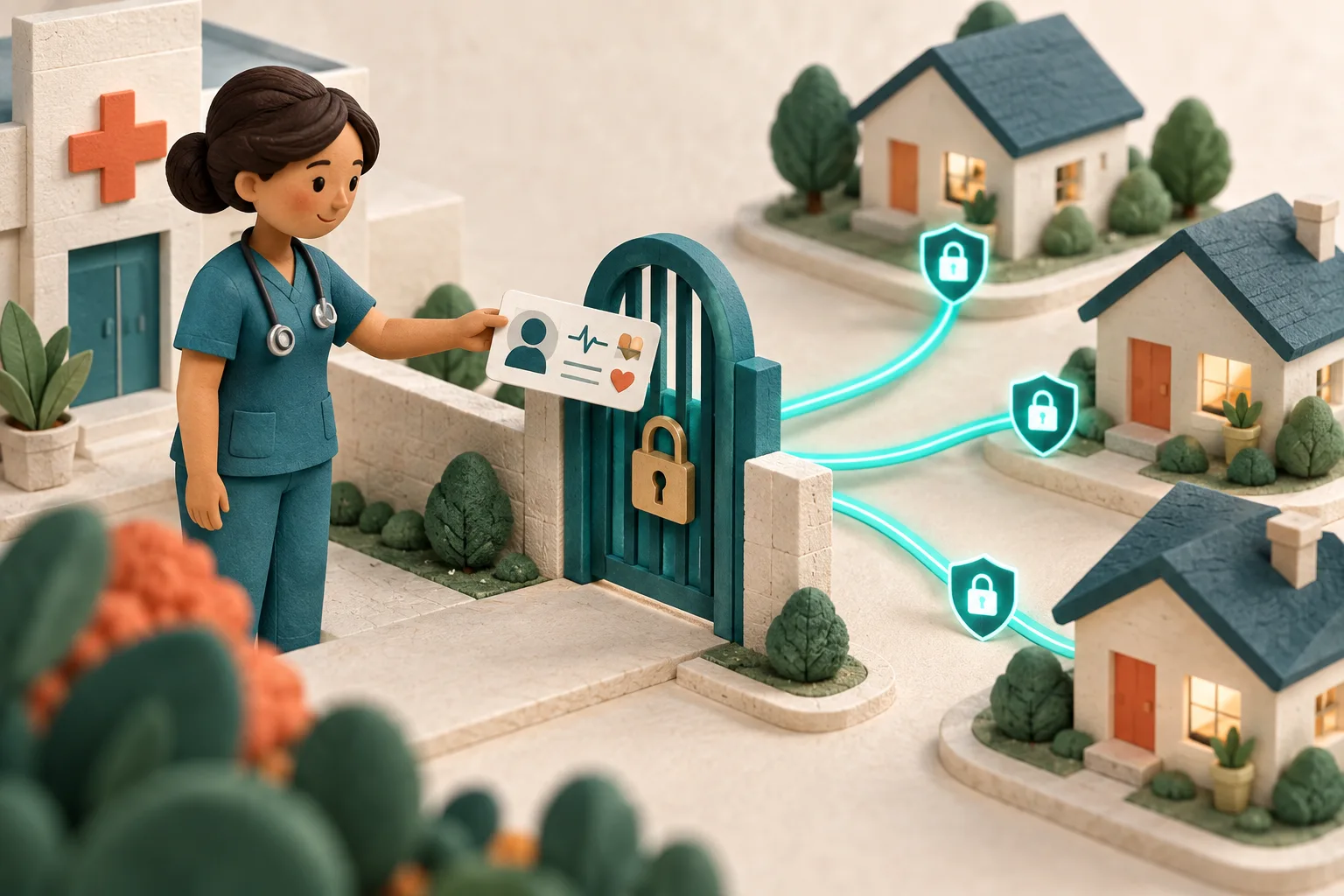
Build controls for sharing health information, or study what different care roles need to know.
Build a scheduling tool, or study how coordinators balance travel, staffing and familiar carers.
Build a follow-up task tracker, or study where responsibility gets lost after a consultation.
Build a code-review tool, or study which checks and evidence developers use before accepting AI-generated changes.
Build a tool for creating one type of internal app, or study how organisations manage AI-built apps.
Build a tool that links process steps to interview evidence, or study how stakeholders review existing models.
Build a test scheduler, or study how teams choose testing priorities when time is limited.
Build permission-aware search, or study how developers understand what an AI assistant can access.
Try another topic or a broader search. Save a proposal with the heart button to build your shortlist.
Choose one track. Master’s proposals target Spring 2027. Final scope and programme approval are agreed with the supervisor; bachelor scopes are suggested adaptations.
Both tracks include a literature review, a research question, a clear method, analysis and a thesis. Only the technical track requires you to build a solution.
Review research and existing solutions.
Identify a problem and write a research question.
Build and test a solution, or collect and study existing material.
Explain what the evidence shows.
Compare with earlier research and discuss the limits.
Choose a topic, degree and track. We can then agree what you will do and which data or participants you need.